Talk to a lawyer now — free case review
Get clear guidance on your employment situation — severance, wrongful dismissal and your rights. No appointment, confidential.
Runs in your browser · free · confidential
Process
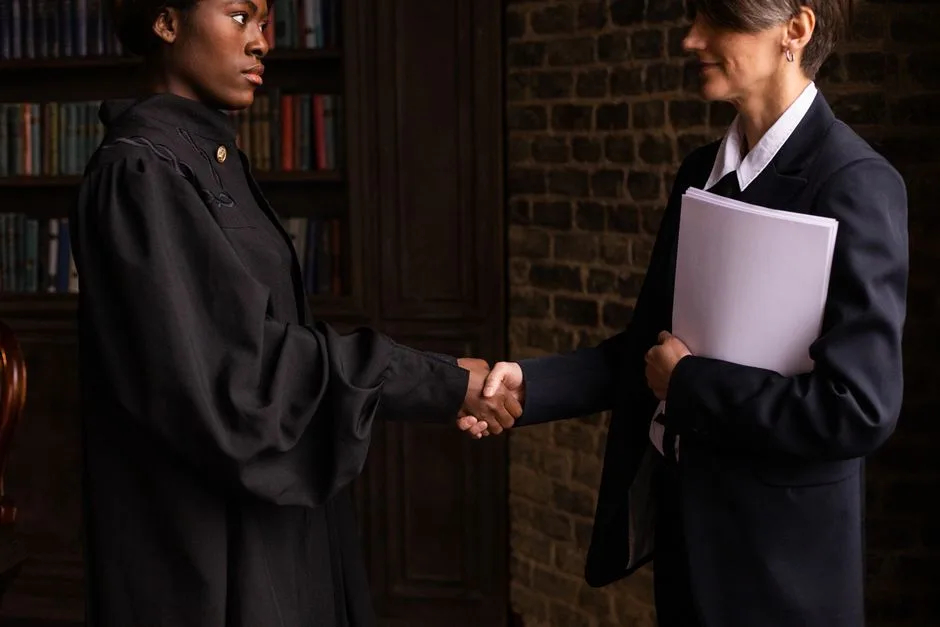
Our methodology begins with a comprehensive case assessment, analyzing employment contracts, company policies, and all relevant communications against applicable laws. We meticulously gather evidence, including performance reviews, witness statements, and electronic records, to build a compelling narrative. For instance, in wage and hour disputes, we audit pay stubs against timesheets, often uncovering violations that affect over 30% of a client's calculated earnings. Our process is collaborative and transparent, keeping clients informed at each stage as we pursue negotiation, mediation, or prepare for litigation with the Equal Employment Opportunity Commission (EEOC) or state courts. We are adept at navigating complex procedures like those outlined in the California Labor Code.
At a Glance
| Parameter | Reference Value |
|---|---|
| Typical Case Assessment Timeline | 1-3 Business Days |
| EEOC Charge Filing Deadline | 180-300 Days from Incident |
| Common Case Types Handled | Wrongful Termination, Discrimination, Wage & Hour |
| Initial Consultation | Case Evaluation & Strategy Outline |
Local Considerations — San Francisco
Employment law practice varies significantly across the United States, requiring adaptation to distinct regional legal landscapes. In tech-centric hubs like San Francisco, cases frequently involve issues of intellectual property, non-compete agreements (where enforceable), and equity compensation disputes. In contrast, cases in manufacturing-heavy regions may focus more on OSHA violations or collective bargaining issues. California's uniquely employee-friendly statutes, such as its expansive anti-discrimination laws and stringent wage order regulations, demand specialized local expertise. Our national firm maintains deep knowledge of these regional nuances, ensuring our counsel for clients in San Francisco and other major markets is precisely tailored to the jurisdiction governing their workplace.
Request a Quote
Our team reviews your project and issues an initial report at no cost.
Or write us directly at [email protected]
Employment Lawyers in San Francisco
Locations covered in San Francisco
Standards & Compliance
- Title VII of the Civil Rights Act of 1964
- California Fair Employment and Housing Act (FEHA)
- Fair Labor Standards Act (FLSA)
- California Labor Code
Frequently Asked Questions
What is the statute of limitations for filing a wrongful termination lawsuit in California?
For most wrongful termination claims based on a violation of public policy (like discrimination or retaliation), you generally have two years from the date of termination to file a lawsuit in California. However, claims filed with a government agency like the DFEH have much shorter deadlines, often 300 days.
What does the case assessment process involve?
Our assessment involves a detailed review of your employment documents, a factual timeline of events, and an analysis of potential legal claims under state and federal law. We evaluate the strength of evidence, potential damages, and the most strategic path forward, whether through settlement negotiation or litigation.
How long does an employment law case typically take to resolve?
Timelines vary widely. A straightforward demand letter negotiation may resolve in a few weeks, while complex litigation can take 1-3 years. Many cases settle during mediation or after discovery. Our goal is to achieve the best possible outcome as efficiently as circumstances allow.
How much does an employment lawyer cost in the USA?
Legal fees depend on case complexity, required litigation, and the attorney's experience. Many employment cases are handled on a contingency fee basis, where the lawyer's fee is a percentage of the recovery, with no upfront cost if there is no recovery. Alternative structures include hourly rates or flat fees for specific services. We provide a clear fee agreement after the initial case evaluation.